
Local Teachers, Lasting Connections: How to Build Community in Virtual School
There's a common assumption that virtual school means less connection between teachers and students. The research (and the experience of teachers) tells a different story. When communication is built intentionally instead of left to chance, many teachers say they connect with students more closely online than they ever did in a traditional classroom.
Do Virtual School Teachers Really Connect With Students?
Yes — a large national survey of K-12 virtual school teachers found that the majority feel they connect with students more individually online than they did in a brick-and-mortar classroom. That connection is built through consistent, personal, one-on-one communication that a 30-student in-person classroom often can't offer the same way.
According to a 2021 survey of more than 1,100 K-12 virtual school teachers, 87% agreed that teaching online allowed them to better communicate and connect one-on-one with students, compared to a traditional in-person setting. The numbers behind that connection are worth sitting with:
85% of teachers said they help more students individually in a virtual setting
83% said online teaching gives them more resources and tools to support students
95% said they communicate more frequently with parents online than they did in person
When asked what they loved most about teaching virtually, the top response from teachers, overwhelmingly, was the connection they're able to build with students and families, a relationship that's harder to sustain across a packed in-person schedule.
A related study from Michigan Virtual looked specifically at how teachers build relationships in the first four weeks of an online course, and found that the strongest patterns centered on a welcoming tone, clear expectations, personalized feedback, prompt responses, and genuine empathy. All these things that take intention to build, and that families can look for as signs of a strong virtual classroom.
The Story Behind the Numbers
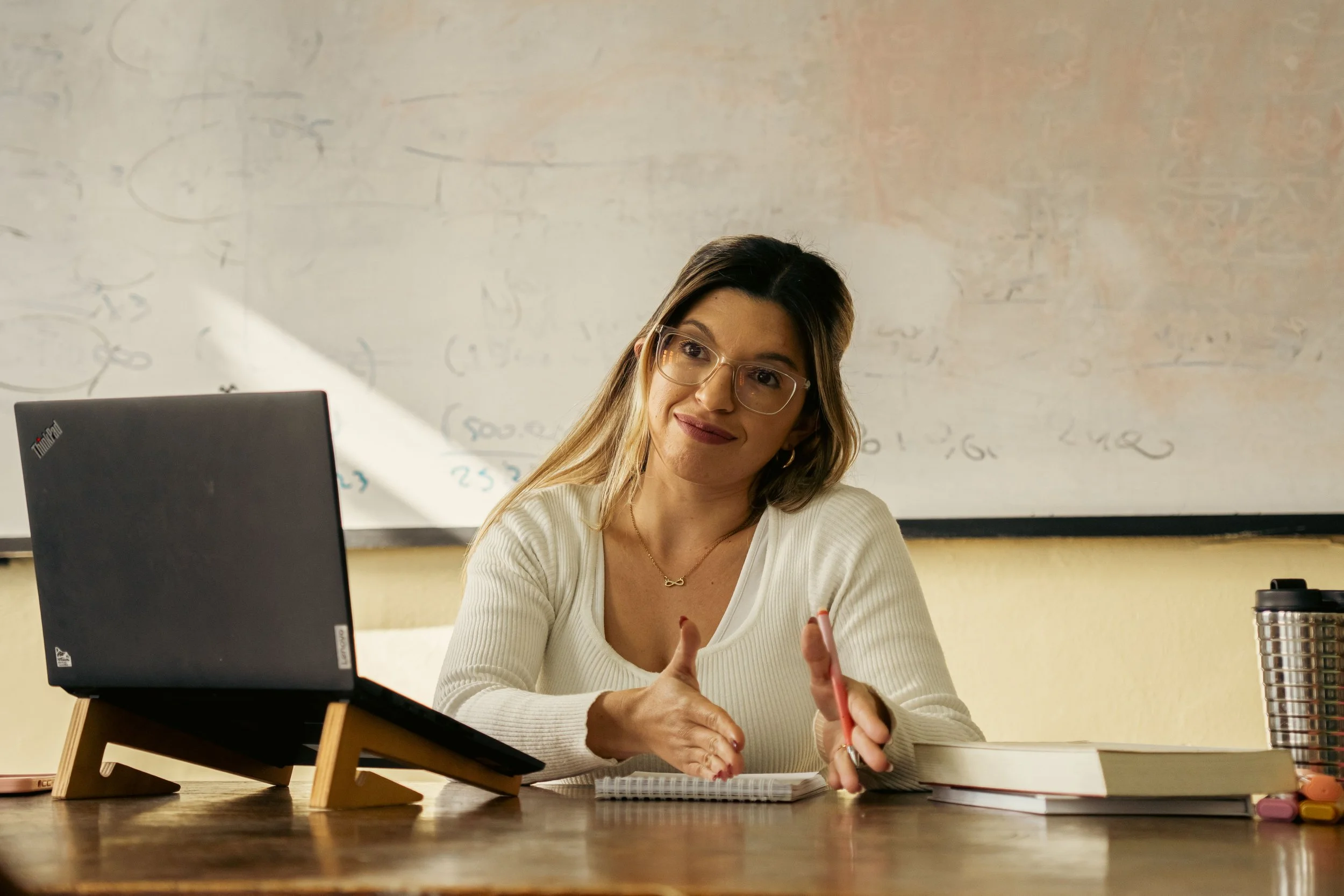
It's worth pausing on why these numbers look the way they do, because it's a little counterintuitive at first. In a traditional classroom, a teacher might have five or six class periods a day, each with 25–30 students, and only a handful of minutes to spend individually with any one of them. Real connection has to compete with the sheer logistics of the room.
In a well-run virtual classroom, that math changes. Check-ins are regularly scheduled, rather than squeezed into a hallway. Connections between students and teachers are intentional, rather than fit into a school schedule. And because so much of virtual teaching depends on written and verbal communication rather than physical presence, teachers often develop stronger habits around exactly the kind of consistent, personal contact that builds trust over time.
None of this means virtual school is automatically better at building relationships — it means it can be, when teachers are trained and supported to communicate with intention. That's exactly the kind of program families should be looking for, and that’s the foundation of WAVS.
What Community Looks Like at WAVS
Our teachers bring that same intentional, personal approach to every course. From welcome messages that go beyond the syllabus to helping students turn their passions into reality, our educators work to make sure every student feels seen, not just enrolled. Here are a few stories from our wonderful Washington teachers:
I was able to really help a struggling student when we were learning anatomy on the muscles, we worked everyday in the week to memorize the muscle and during activity time I made flash cards for her specifically to sit down and memorize them for the assessment and she passed with 100% and was so thankful because she had a hard time memorizing and on her IEP this was a suggested activity, so I went the extra mile for her. She was so thankful and I was so proud. - Mrs. Schaub
I am looking forward to each live session with my Spanish class, to get to know the students and interact with them, playing fun games to learn a new language! - Mrs. Schuerman
These stories show that a virtual school can be more than instruction on a screen. It’s an opportunity for students and teachers to build lasting connections, growing as people as well as students.
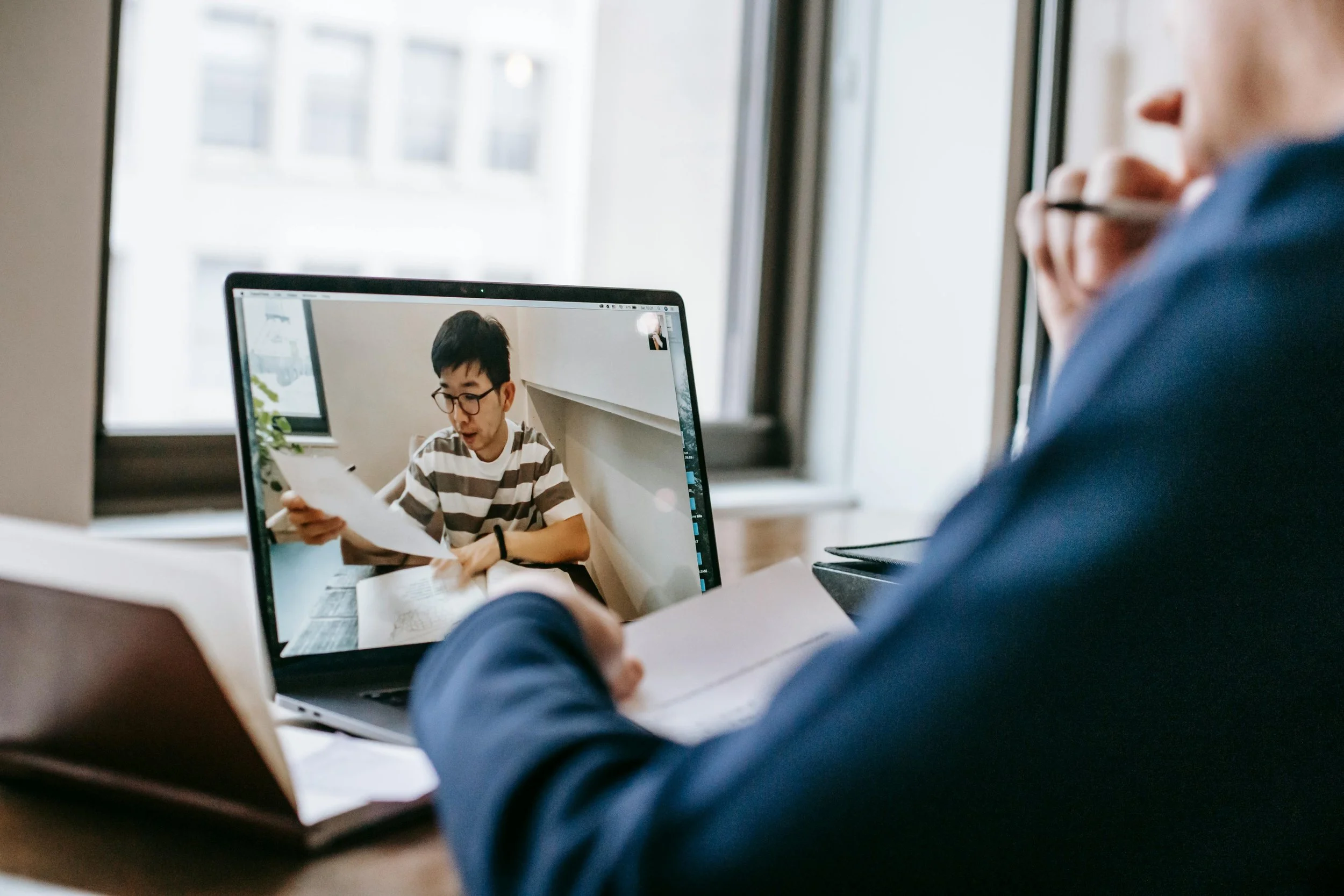
Why This Matters for Your Student
A student who feels genuinely known by their teacher is more likely to reach out when they're struggling, more likely to stay engaged through a hard unit, and more likely to feel like they belong, even without a physical hallway to walk down between classes. A few signs that connection is working well:
Your student mentions a teacher by name, unprompted, in a positive way
Feedback on assignments feels specific and personal, not generic
Your student knows how and when to reach out with questions, and actually does
Check-ins happen regularly, not just when something goes wrong
If you're not seeing these signs yet, it's worth a conversation with your student's teacher directly — most virtual educators genuinely want to know how to better support the students in their (screen-based) classroom.
Ways Families Can Help Build Community, Too
Community in a virtual school isn't just built by teachers — families play a real role in strengthening it.
Show up to optional events. Live sessions, clubs, and virtual meet-and-greets are easy to skip when they're not mandatory, but they're often where real connection starts.
Respond to teacher outreach. A quick reply to a check-in email signals that communication is a two-way relationship, not a one-sided broadcast.
Encourage your student to participate, not just attend. Turning on a camera, using the chat feature, or speaking up in a small group discussion all build the sense of "knowing and being known" that makes a virtual classroom feel like a real community.
Share feedback. If something is or isn't working for your student's sense of connection, telling the teacher directly gives them the chance to adjust.

What to Look for in a School That Prioritizes Connection
If you're considering WAVS, or another virtual school, a few signs point to a program that takes community seriously:
Teachers reach out proactively, not just when there's a problem to report
Feedback feels personal, referencing specifics about a student's work rather than generic comments
There are real opportunities to connect beyond coursework: clubs, live social events, spirit days, or optional community meetups
Students know who to contact and feel comfortable doing so, a sign that the relationship, not just the curriculum, has been built with care
A school that invests in these habits tends to produce exactly the kind of connection the research points to: students who feel known, and families who feel involved.
Community Doesn't Require a Building
The research is consistent: a strong sense of connection in virtual school comes down to intentional communication, not physical proximity. When teachers build relationships on purpose — through personalized feedback, consistent check-ins, and a genuinely welcoming tone — students notice, and it shows in how engaged and supported they feel all year long.
Want to see what community looks like at WAVS? RSVP for our Meet your School Event!
Follow our Virtual School community all year long: Facebook | Instagram | TikTok
Sources
Florida Virtual School / FlexPoint Education Cloud, New Survey Reveals That the Teacher-Student Connection Is Stronger Online Than In-Person (2021). flvs.net
Cuccolo, K., & Green, C. (2024). Starting Strong: Understanding Teacher-Student Communication in Online Courses. Michigan Virtual. michiganvirtual.org
